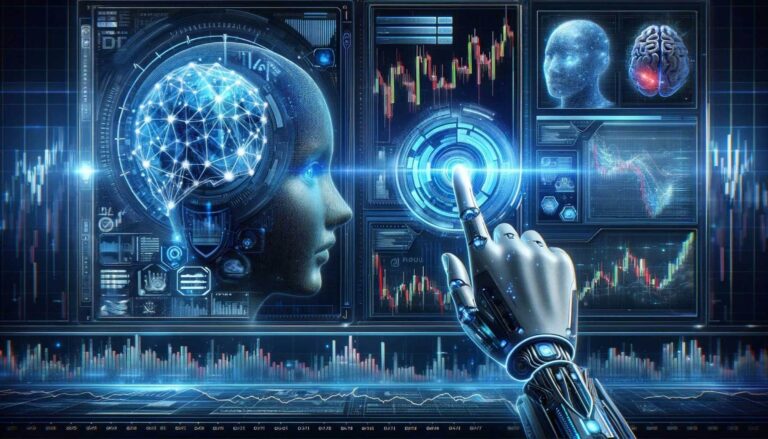
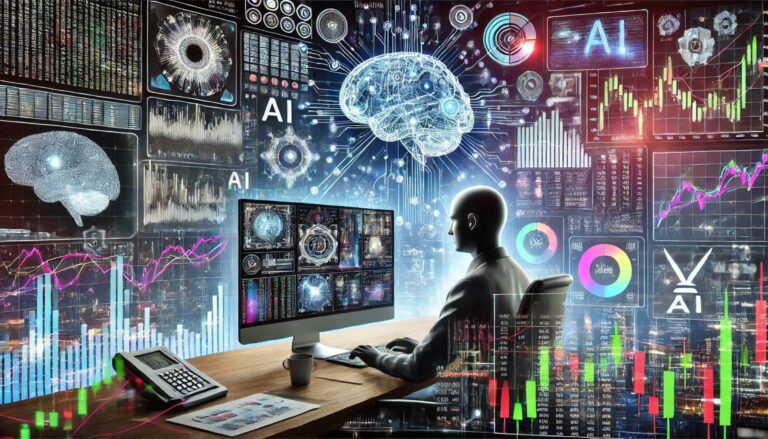
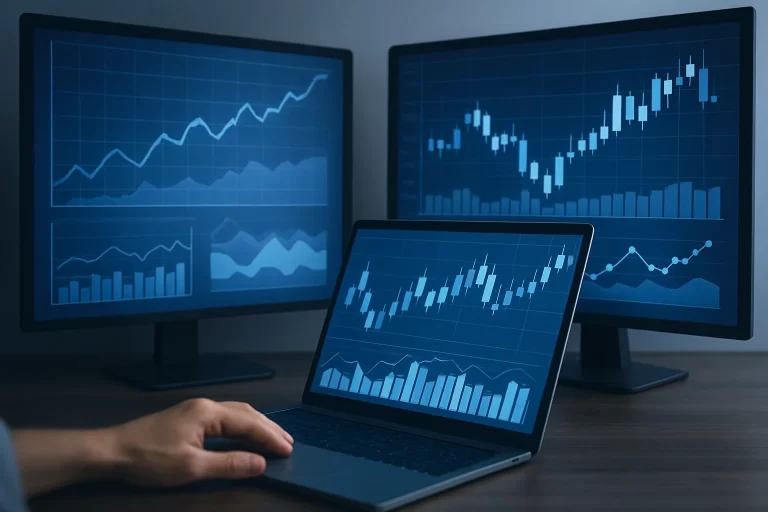
The financial landscape is undergoing a seismic shift, driven by the integration of machine learning (ML) technologies into trading practices. As markets become increasingly complex and data-driven, traders and financial institutions are leveraging advanced algorithms to enhance their decision-making capabilities. This article explores the profound impact of machine learning on trading, examining the rise of these technologies, the transformation of market dynamics, and the promising future that lies ahead.
The Rise of Machine Learning in Financial Trading
In the past decade, machine learning has emerged as a game-changing force in financial trading. The ability to process vast amounts of data rapidly and extract actionable insights has made ML a vital tool for traders. No longer confined to traditional statistical methods, financial institutions are now employing sophisticated algorithms that can learn from historical data to predict future market movements. This evolution is supported by the exponential growth of data availability, including real-time market feeds, economic indicators, and social media sentiment.
The adoption of ML in trading has been accompanied by the development of more complex models that can analyze intricate patterns within data. These models utilize various techniques, such as deep learning and natural language processing, to enhance predictive accuracy. This shift has democratized access to advanced trading strategies, allowing both institutional investors and retail traders to leverage cutting-edge technology in their trading operations. Consequently, the competitive landscape is being reshaped, with firms that harness machine learning gaining a significant advantage.
Moreover, regulatory changes and advancements in computational power continue to fuel the rise of machine learning in trading. As algorithms become more efficient and effective, they can execute trades at unmatched speeds, reducing latency and enhancing the scope of trading strategies. This convergence of technology and finance is not just a trend; it represents a fundamental shift in how markets operate, paving the way for a more data-driven approach to trading.
How Algorithms Are Changing Market Dynamics Today
The introduction of algorithms into trading has fundamentally altered market dynamics. Algorithms can execute trades based on pre-defined criteria, minimizing human error and emotional decision-making. These automated systems can react to market changes in milliseconds, leading to increased trading volumes and heightened market volatility. As a result, traditional trading strategies are being re-evaluated in light of this new reality, with many traders adapting to incorporate algorithmic insights into their methodologies.
In addition to speed, algorithms are redefining liquidity in the markets. High-frequency trading (HFT) firms, which deploy algorithms to capitalize on minute price discrepancies, have increased market liquidity, making it easier for traders to enter and exit positions. However, this liquidity is often characterized by a fragility that can lead to flash crashes or sudden market downturns. As more traders rely on algorithm-driven strategies, concerns about systemic risks and the potential for market manipulation have also emerged, prompting regulatory scrutiny.
The growing reliance on algorithms has also led to the emergence of new market participants and trading strategies. For instance, quantitative hedge funds that employ complex algorithms for statistical arbitrage have gained prominence over traditional discretionary funds. This shift is prompting financial institutions to invest heavily in technology and talent, further entrenching machine learning as an integral component of modern trading.
Predictive Analytics: The New Frontier in Trading Strategy
Predictive analytics, a subset of machine learning, is revolutionizing trading strategies by providing traders with tools to make informed decisions based on data-driven forecasts. Traders can analyze historical market data, economic indicators, and even social sentiment to project future price movements with greater accuracy. This capability is particularly valuable in a world where market conditions can change rapidly, requiring adaptive strategies that can keep pace with evolving environments.
The key to effective predictive analytics lies in the algorithms used to analyze data. Techniques such as regression analysis, decision trees, and neural networks are being utilized to uncover patterns that may not be immediately apparent to human traders. By harnessing these tools, traders can identify trends, reversals, and anomalies, allowing them to position themselves advantageously ahead of market shifts.
Furthermore, the integration of predictive analytics into trading platforms has democratized access to sophisticated trading strategies. Retail traders, once limited by their resources, can now leverage the same advanced analytics tools as institutional investors. This has led to a more competitive landscape, as more market participants are equipped to make informed decisions based on predictive insights, ultimately fostering innovation and driving market evolution.
Risk Management Revolutionized: Machine Learning Insights
Machine learning is transforming risk management in trading by providing advanced tools for identifying, assessing, and mitigating risks. Traditional risk management techniques often rely on historical data and static models, which can be insufficient in the face of rapidly changing market conditions. Machine learning allows for a more dynamic approach, capturing real-time data and adapting risk assessments accordingly.
Through the application of ML algorithms, traders can develop sophisticated risk models that account for a wider array of variables. For example, predictive models can analyze market volatility, liquidity, and correlations between different assets to provide a comprehensive risk profile. This enhanced insight enables traders to make more informed decisions, such as adjusting their positions in response to emerging risks before they escalate.
Additionally, machine learning can help in detecting anomalies and potential fraud within trading activities. By continuously analyzing transaction patterns, algorithms can flag unusual behavior that could indicate market manipulation or other risks. This proactive approach to risk management not only protects traders and institutions but also contributes to overall market integrity.
Case Studies: Success Stories of ML in Trading Firms
Many trading firms have successfully integrated machine learning into their operations, leading to impressive outcomes. For instance, Renaissance Technologies, a quantitative hedge fund, has utilized ML algorithms to develop highly sophisticated trading strategies that have consistently outperformed the market. The firm’s use of data-driven insights has enabled it to adapt its strategies to changing market conditions, resulting in substantial returns for its investors.
Another notable example is Citadel Securities, which has made significant investments in machine learning to enhance its trading capabilities. The firm employs advanced algorithms to optimize order execution and manage risk, allowing it to operate with greater efficiency. This commitment to technology has positioned Citadel as a leader in the financial services industry, demonstrating the tangible benefits of machine learning in trading.
In the realm of retail trading, platforms like eToro and Robinhood are leveraging machine learning to provide users with personalized trading experiences. By analyzing user behavior and market trends, these platforms can offer tailored recommendations and insights, empowering individual traders to make informed decisions. These success stories illustrate the transformative impact of machine learning across various sectors of the trading landscape.

The Future of Trading: Trends and Technologies Ahead
As we look to the future, several trends and technologies are poised to shape the landscape of trading even further. Firstly, the integration of artificial intelligence (AI) with machine learning is likely to enhance the capabilities of trading algorithms, allowing for more sophisticated decision-making processes. This synergy will enable traders to harness the full potential of data analytics, leading to better predictive capabilities and more nuanced trading strategies.
Secondly, the rise of decentralized finance (DeFi) and blockchain technology is set to disrupt traditional trading paradigms. By facilitating peer-to-peer transactions without intermediaries, these technologies promise increased transparency and reduced costs. As machine learning algorithms adapt to these new environments, we can expect innovative trading strategies that capitalize on the unique characteristics of decentralized platforms.
Lastly, the ongoing development of regulatory frameworks around machine learning in trading will play a crucial role in shaping the future landscape. As regulators adapt to the innovations brought about by machine learning, they will seek to balance the benefits of these technologies with the need for market integrity and consumer protection. Firms that proactively address regulatory considerations will be well-positioned to navigate the evolving landscape.
| Aspect | Traditional Trading | Machine Learning Trading |
|---|---|---|
| Decision Making | Human-driven | Algorithm-driven |
| Speed | Slower execution | Millisecond execution |
| Data Analysis | Historical data analysis | Real-time, dynamic analysis |
| Risk Management | Static models | Adaptive, predictive models |
| Market Adaptability | Limited | Highly adaptable |
The integration of machine learning into financial trading is a revolutionary development that is reshaping the industry. From enhancing trading strategies and risk management to transforming market dynamics, the impact of these technologies is profound. As we move forward, the synergy of machine learning with emerging technologies will continue to drive innovation in trading, creating new opportunities and challenges. Traders and institutions that embrace this evolution will be well-equipped to thrive in an increasingly data-driven financial landscape.